Process simulation is a critical part of modern chemical engineering- especially when scaling technologies from laboratory concepts to pilot plants and commercial production.
At Sherle, we use industry-standard tools such as Aspen HYSYS, Aspen Plus, Pro/II, ChemCAD, and Aspen EDR/HTRI to model, analyze, and optimize chemical processes before capital is committed. Our simulations help clients understand how a process will behave in real operating conditions-not just on paper.
We support startups, SMEs, and established chemical companies by reducing technical uncertainty early, improving process safety, optimizing energy consumption, and supporting confident scale-up decisions.
Simulation at Sherle is not treated as a software exercise. It is an engineering tool used to guide design, pilot testing, and commercial execution.

At every stage, simulation helps convert uncertainty into engineering clarity.
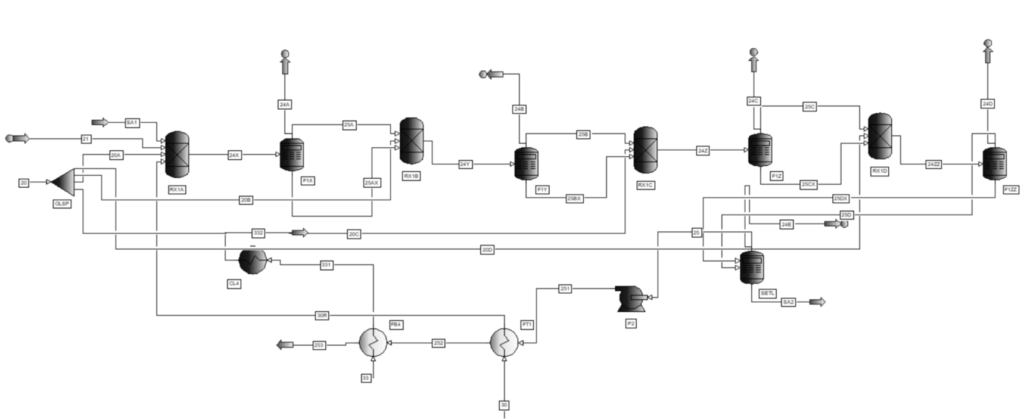
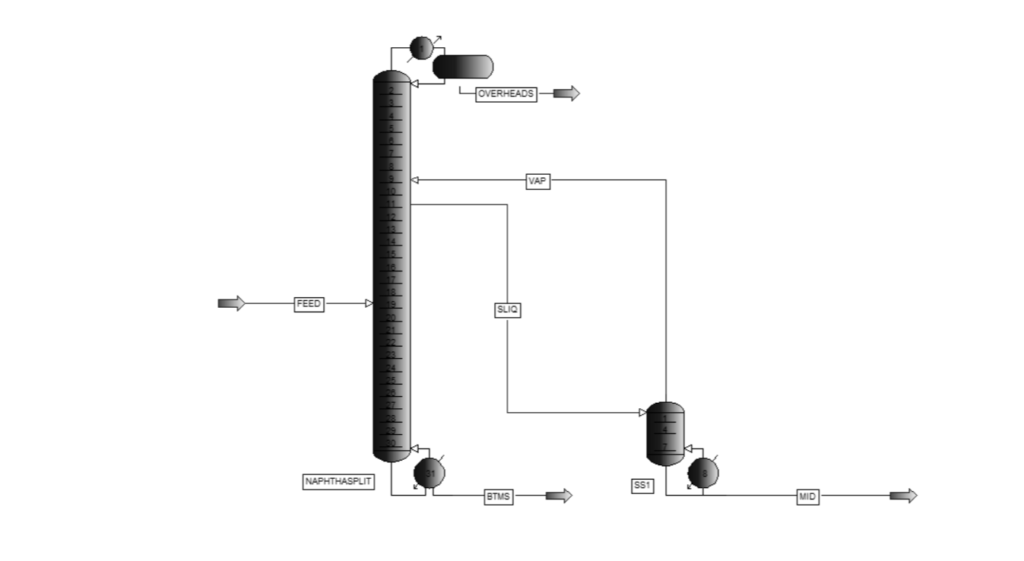
We develop steady-state simulation models to describe process behavior under defined operating conditions. These models are widely used during concept development, BEP preparation, and commercial scale-up.
Steady-state simulation enables:
Typical applications include distillation systems, separation trains, reactors, absorbers and strippers, evaporation and crystallization systems, gas processing units, and heat exchanger networks.
Simulation plays a critical role in realistic equipment sizing, particularly for first-of-a-kind and scale-up projects.
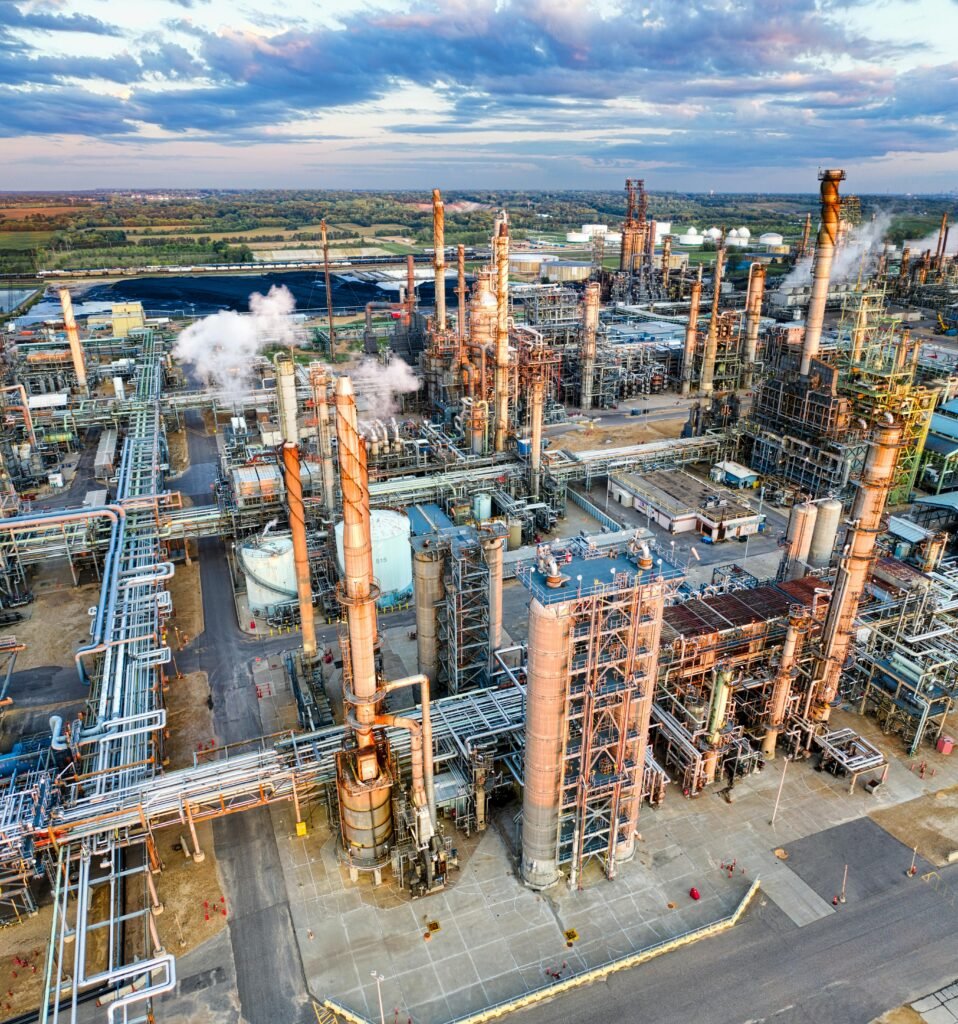
Simulation is a powerful tool for improving both new and operating plants. We use it to identify limitations and quantify improvement opportunities with clear technical and economic justification.
Typical studies include:
This approach is especially valuable for SMEs and growing facilities, where incremental improvements can deliver significant returns.
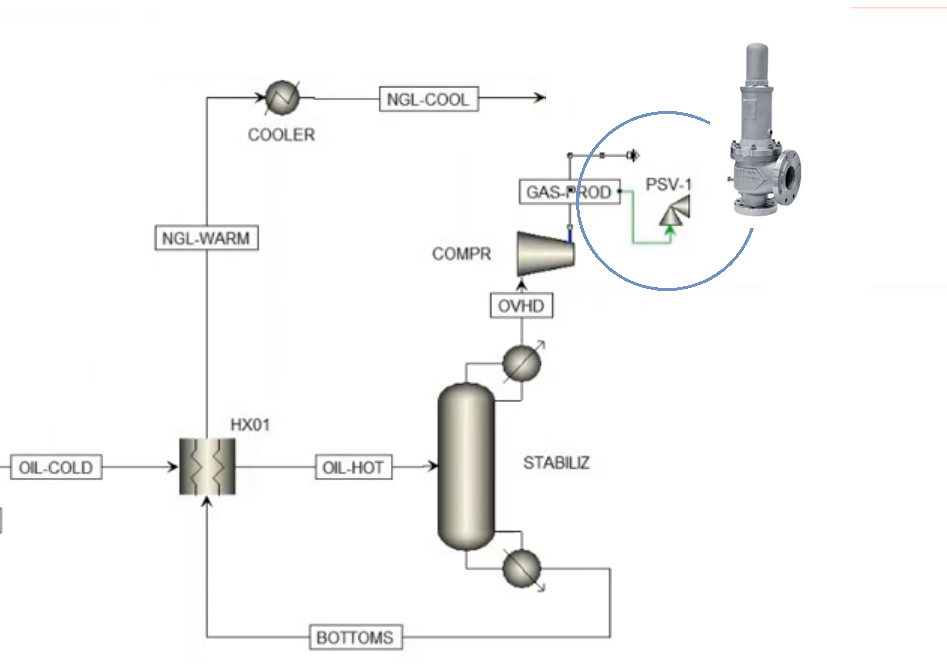
We integrate simulation closely with safety engineering to evaluate abnormal and emergency scenarios, including:
Simulation outputs are used as direct inputs for API 520/521 relief system design, DIERS-based reactor vent sizing, and safety studies—ensuring protection systems are based on realistic process behavior.
Clients typically receive:
These deliver ables are often used for internal decision-making, investor discussions, pilot planning, and smooth transition into detailed engineering.